How Small Businesses Are Using AI Automation to Compete With Big Brands
Not long ago, if you ran a small business, competing with a major brand felt like bringing a bicycle to a Formula 1 race.
Big brands had the people, the budget, the data teams, and the 24/7 infrastructure. You had hustle and a lot of manual work.
That gap is closing fast.
AI automation has become the great equaliser. Today, a 5-person business can respond to leads instantly, personalise customer experiences, process data at scale, and run marketing campaigns that rival those of companies with entire departments behind them.
In this post, we break down exactly how small businesses are using AI automation right now and how you can do the same.
What Is AI Automation (In Plain English)?
AI automation means using intelligent software to handle tasks that would otherwise require a human things like answering customer questions, sending follow-up emails, sorting data, or qualifying leads.
Unlike basic automation (which follows rigid rules), AI-powered systems can learn, adapt, and make decisions based on context. They get smarter over time.
The result: your business keeps running accurately and consistently even when you're not watching.
5 Ways Small Businesses Are Levelling the Playing Field with AI
1. Never Missing a Lead with AI-Powered Follow-Ups
Big brands have entire sales teams to chase every enquiry. Small businesses often lose leads simply because there wasn't enough time to follow up fast enough. AI changes this.
Automated follow-up systems can respond to a new lead within seconds of them filling in a form with a personalised message, a relevant offer, or a calendar booking link. No delay, no dropped ball, no awkward "sorry for the late reply."
Real-world impact: Studies consistently show that responding to a lead within 5 minutes makes you up to 9x more likely to convert them. AI makes that happen automatically, even at 2am.
2. 24/7 Customer Support Without Hiring a Team
One of the biggest advantages large brands have always had is round-the-clock customer support. A small business owner simply cannot be available at all hours and hiring overnight staff isn't realistic. AI chatbots bridge that gap.
Modern AI chatbots can handle FAQs, guide users through your services, collect contact details, book appointments, and escalate complex queries to a human when needed. They speak in your brand's voice, know your products, and never have a bad day.
For customers, it feels seamless. For you, it means fewer missed opportunities and a support system that genuinely scales.
3. Smarter Marketing on a Small Budget
Big brands spend millions on personalised marketing showing different messages to different audiences based on behaviour, location, and purchase history. AI automation tools bring that same logic to small businesses at a fraction of the cost.
Email sequences can now adapt based on what a subscriber clicked. Ad campaigns can auto-optimise toward the audiences converting best. Social media posts can be scheduled, repurposed, and even drafted with AI assistance giving a solo marketer the output of a full content team.
The result is more relevant communication, less wasted spend, and campaigns that actually perform.
4. Eliminating the Admin That Drains Your Day
Here's a quiet truth most small business owners know well: a huge portion of the working day disappears into tasks that don't directly grow the business data entry, invoice chasing, appointment reminders, report compiling, inbox management. AI automation can handle most of it.
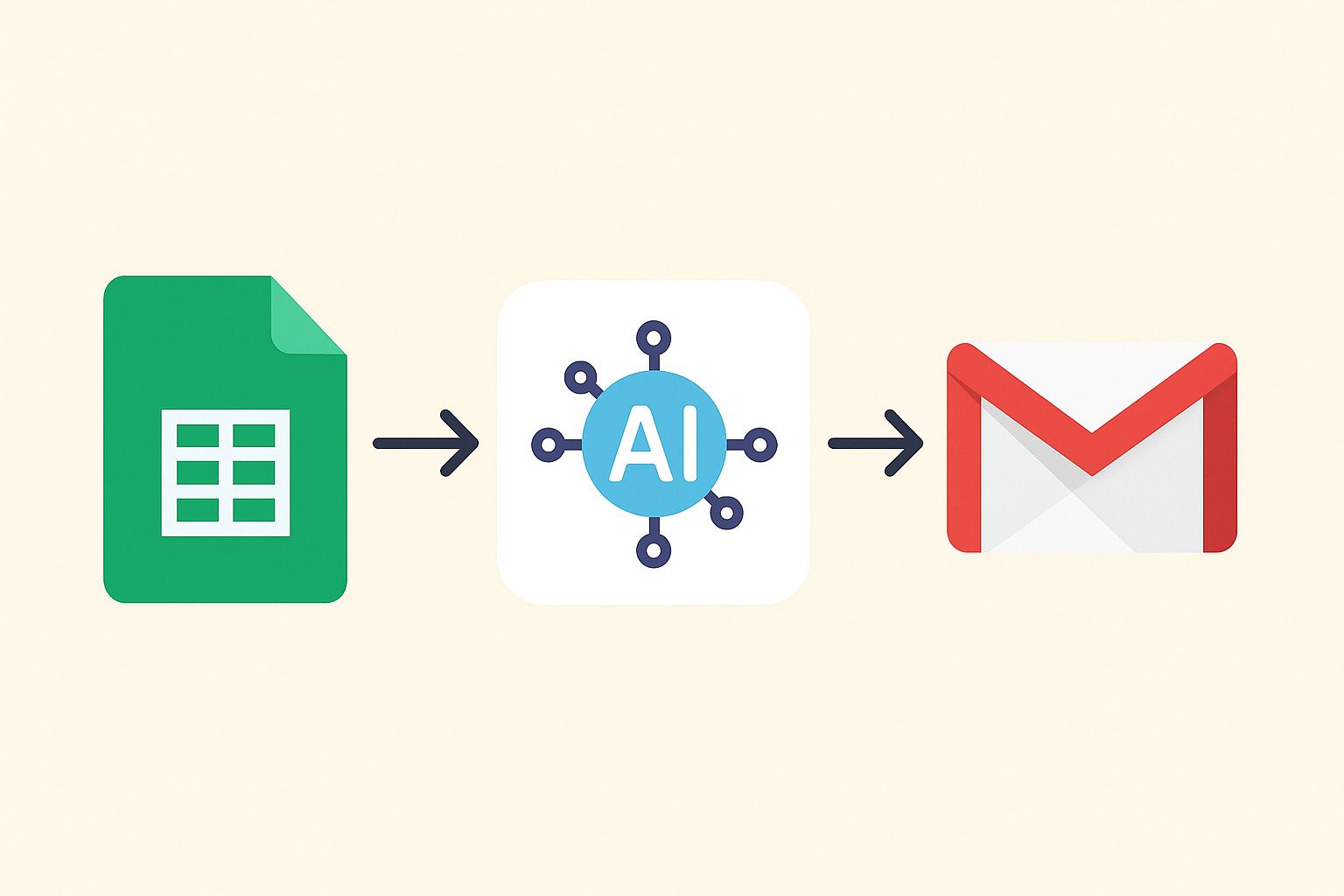
Tools like Zapier, Make (formerly Integromat), and custom AI workflows can connect your existing software stack and automate the handoffs between them. A new enquiry automatically creates a CRM record. A completed project automatically triggers an invoice. A missed call automatically sends a follow-up SMS. Small gains compounded across hundreds of tasks add up to hours reclaimed every week.
5. Data-Driven Decisions Without a Data Team
Enterprise brands employ analysts to make sense of their numbers. Small businesses often make decisions based on gut feeling simply because there's no time or resource to dig into the data. AI changes what's accessible.
Today's tools can automatically generate performance reports, surface trends in your sales data, flag anomalies in website traffic, and even predict which customers are most likely to churn or convert. You don't need a data scientist. You need the right automation set up once.
Common Fears (And Why They're Smaller Than You Think)
- 'It'll be too expensive.' The most impactful AI automations don't require enterprise budgets. Many start at a few hundred dollars in setup cost and pay for themselves within weeks in time saved or leads recovered.
- 'It'll feel robotic to my customers.' Well-built AI systems are trained on your brand's voice and context. When done right, customers rarely know they're interacting with automation they just notice that you're fast, responsive, and helpful.
- 'I'm not technical enough.' You don't need to be. The right agency builds, configures, and maintains these systems for you. You just use them.
- 'I'll lose the personal touch.' AI handles the volume. You focus on the conversations that actually need a human which means your personal touch goes further, not less far.
Where to Start
The biggest mistake small businesses make with AI automation is trying to do everything at once. Instead, start with one clear pain point:
- Losing leads? → Start with an automated follow-up sequence.
- Drowning in customer queries? → Start with an AI chatbot.
- Wasting time on admin? → Start with one automated workflow between your tools.
Get one system working well, measure the results, then expand. The compounding effect of each layer you add is where the real competitive advantage builds.
Ready to see what AI automation could do for your business? Book a free consultation with Webefy Today →